
eartHeritage – PRIN 2022JL5HLY
Home » About Us

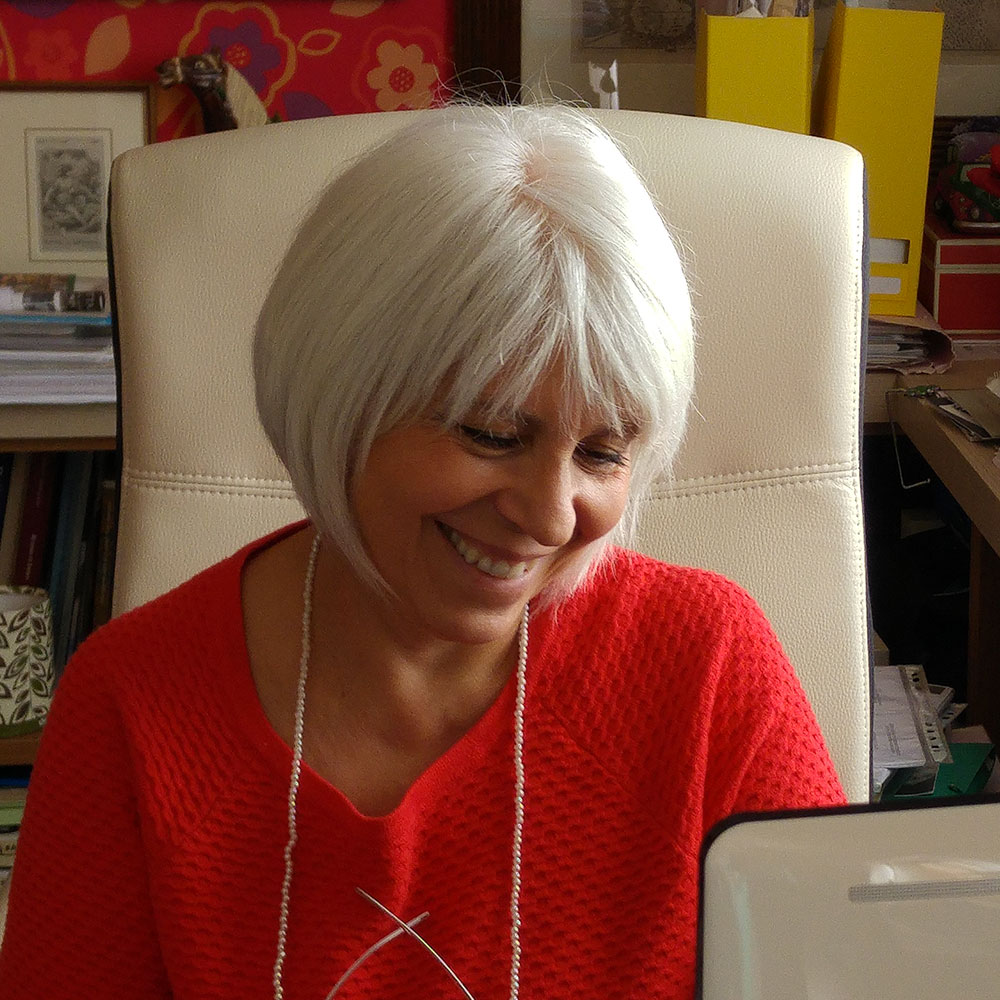
Is Professor of Archaeology and Art History of India at the University of Naples “L’Orientale”.
Since 2021 she has been Deputy Director of the Interuniversity School (University of Naples ‘L’Orientale’ / University of Salerno) of Specialisation in Archaeological Heritage (OrSa).
She directs the Italian Archaeological Mission in Afghanistan (since 2004) and is a member of the Italian Archaeological Mission in Pakistan (since 1984).
She is Vice-president of ISMEO – International Association for Mediterranean and Oriental Studies (since 2022); Vice-president of SEECHAC – Société Européenne pour l’Étude des Civilisations de l’Himalaya et de l’Asie Centrale (since 2021); Italian representative in the scientific Committee of the European Association for South Asian Archaeology and Art (since 2014).
She has extensively published on the archaeology and art history of South, Central and Inner Asia. Her publications also include websites and multimedia works dedicated to free distance education for disadvantaged areas.
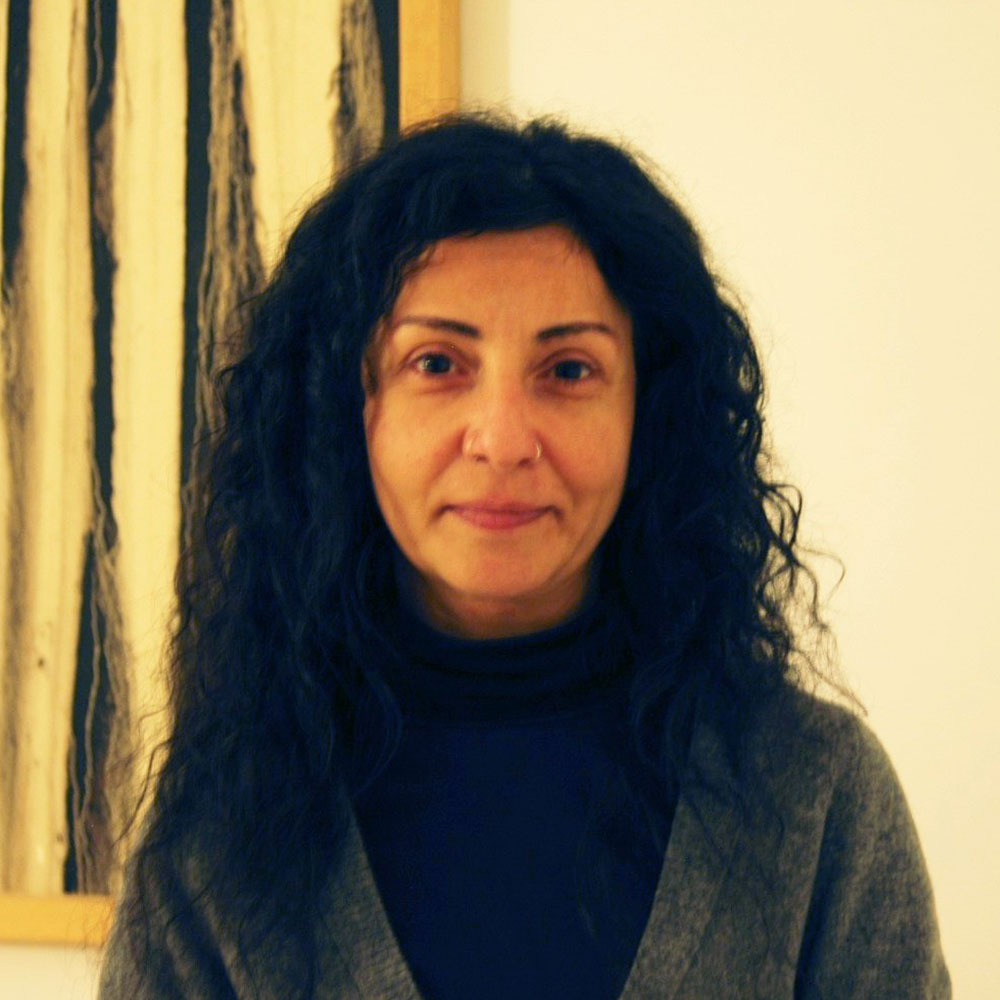
Deals with archaeological materials from the Northwest Indian Subcontinent, in particular from Afghanistan and Pakistan.
She is Post-doctoral Research Fellow at the University of Naples “L’Orientale”, where she also graduated in Archaeology and received her PhD.
She is a member of the Italian Archaeological Mission in Afghanistan since 2014 and ISMEO – The International Association for Mediterranean and Oriental Studies since 2024.
Her field of research is the Archaeology and history of art of Central Asia, with particular focus on the clay and stucco sculpture of pre-Islamic Afghanistan.
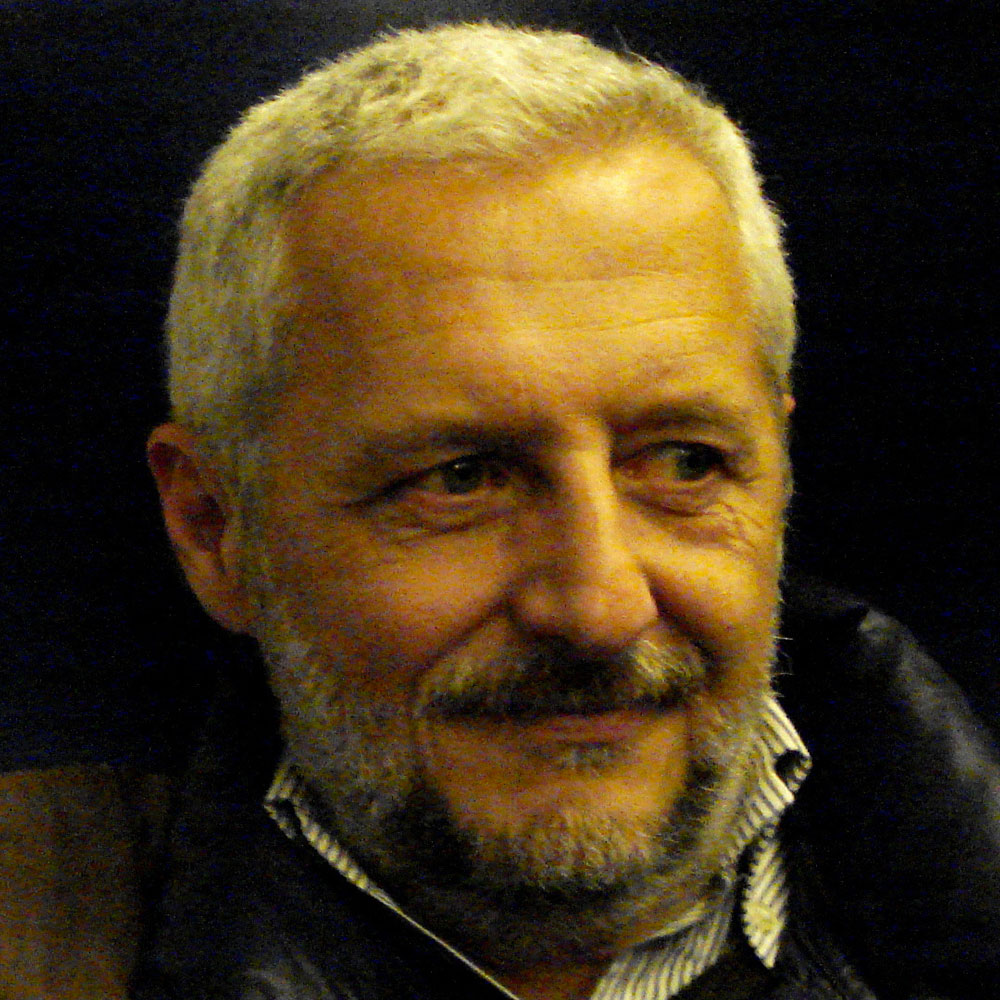
Associate Professor of South Asian and Central Asian Archaeology and Art History at Sapienza University of Rome. From 2015 to 2021, he was Head of the first- and second-level degree programmes in Oriental Languages and Civilisations at the Italian Institute of Oriental Studies, Sapienza University of Rome. He has been a member of the Board of the PhD programme in Civilisations of Asia and Africa at Sapienza University since 2010, serving as its Coordinator until 2013. He sits on the scientific board of the Rivista degli Studi Orientali.
His research centres on the archaeology and art history of Central Asia, the north-west of the Indian subcontinent, and the Tarim Basin (Xinjiang, China); he has been member of the Italian–Uzbek Archaeological Mission in Uzbekistan from 1995 to2010). His work focuses particularly on religious iconography, especially Buddhist wall painting and sculpture, and on the impact of South Asian traditions on Central Asian visual cultures.
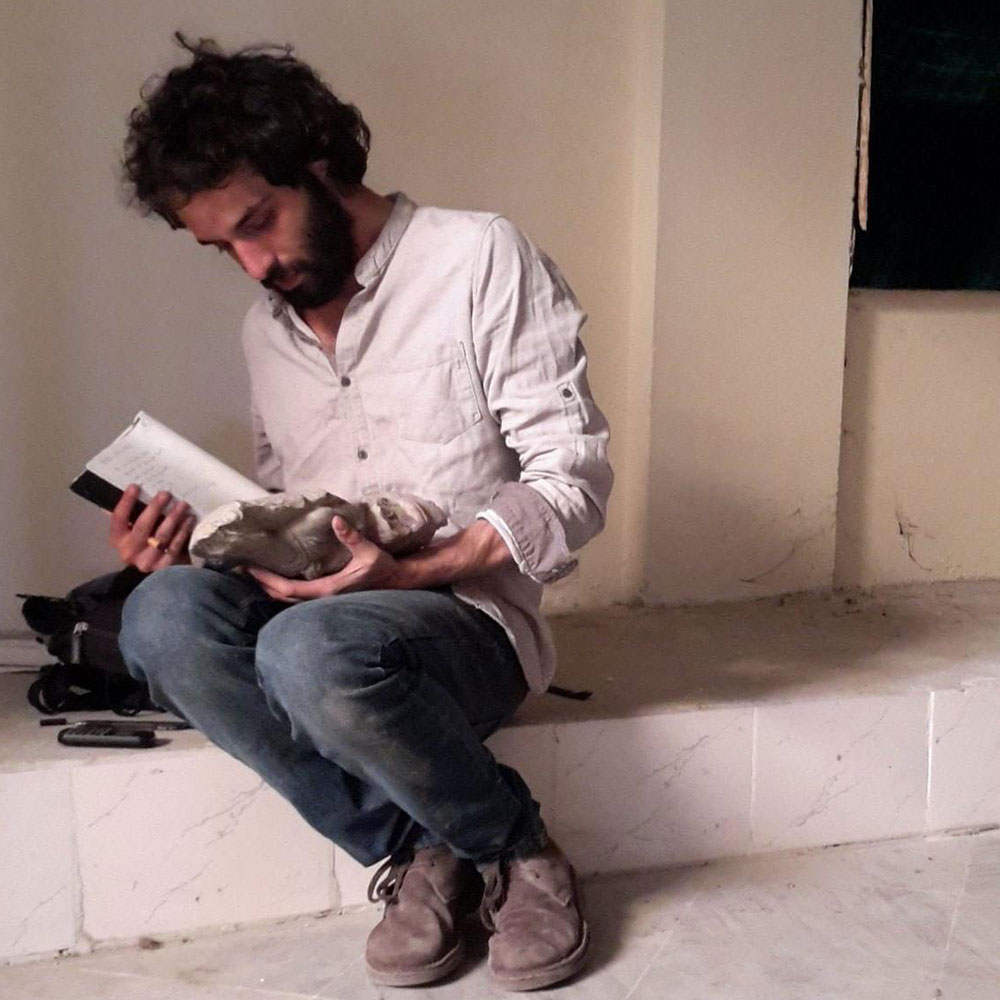
Specialises in Gandharan studies. He earned his PhD at the University of Naples “L’Orientale” with a dissertation on the Gandharan stone sculptures from the urban center of Barikot, Swat Valley (Pakistan). Since 2016, he has been a member of the Italian Archaeological Missions in Pakistan (ISMEO-Ca’ Foscari Venice) and Afghanistan (ISMEO).
From 2021 to 2023, he was appointed as a research assistant on the Digitisation of Gandharan Artefacts (DiGA) Project at CERES, Bochum University. His research fields include Buddhist history and art, urban archaeology, and local religious cultures in the ancient northwestern Indian subcontinent.
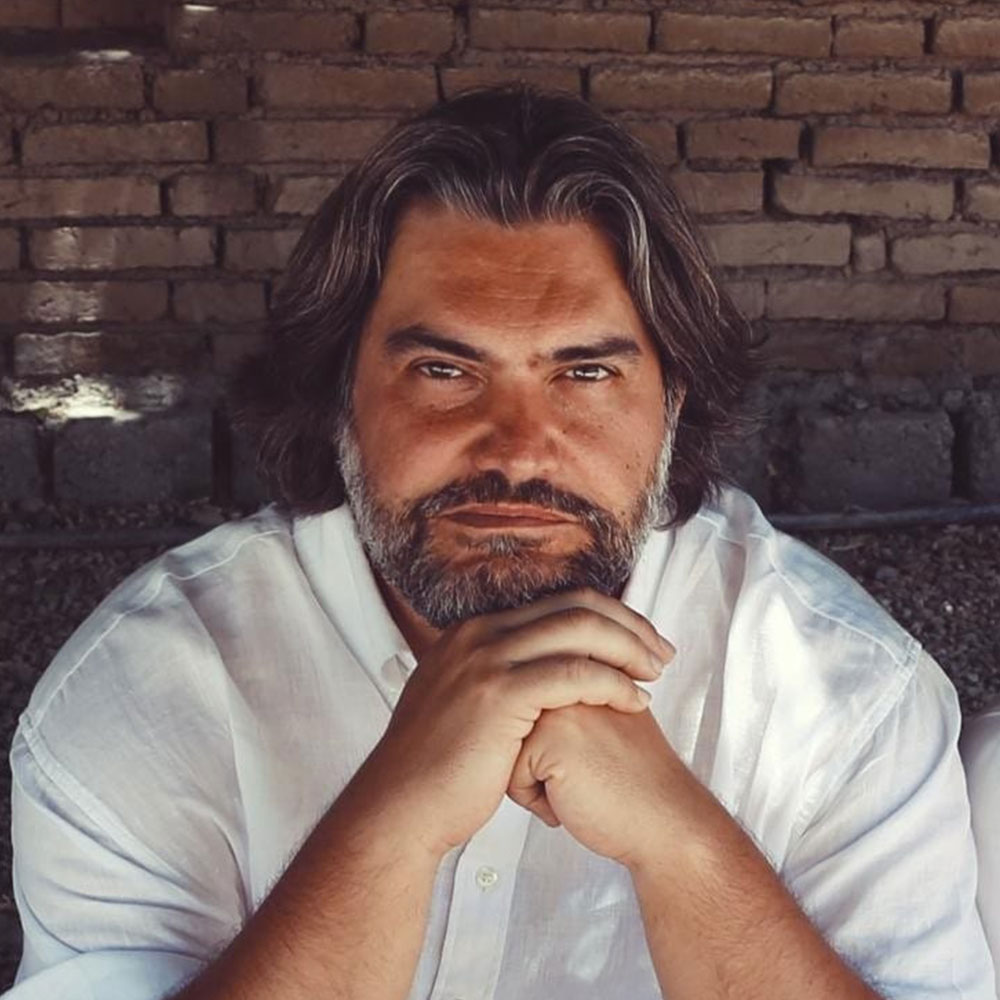
Archaeologist specialising in the archaeology of the Indo Iranian world with a focus on the historical landscapes of Iraqi Kurdistan. From 2020 to 2025 he served as Junior Assistant Professor at the Department of Cultural Heritage of the University of Bologna, where he was responsible for the courses “Archaeology of Pre Islamic Historical South Asia” and “Archaeology of the Indo Iranian Frontier”.
Since 1999 he has taken part in and coordinated archaeological missions across Asia, including projects in Iran, Iraq, Pakistan, and Tajikistan. Since 2008 he has been actively involved in research in Iraqi Kurdistan and, since 2021, he has served as Scientific Director of the Italian Historical Archaeological Mission in Kurdistan (MiSAK), promoted by ISMEO, the International Association for Mediterranean and Oriental Studies, in collaboration with the International Institute of Kurdish Culture in Rome.
He has curated three exhibitions and published more than sixty scholarly contributions, including one monograph, journal articles, book chapters, conference proceedings, and catalogue entries, alongside several dissemination articles and reviews.
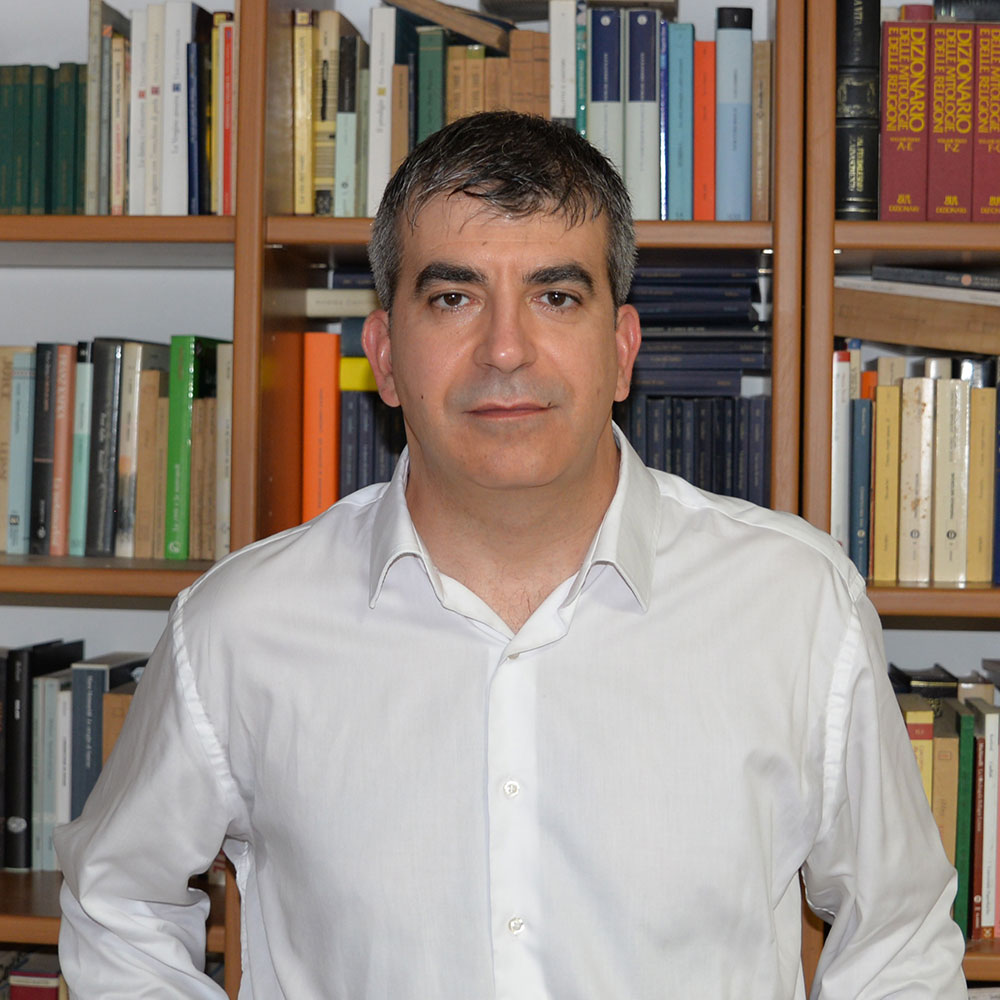
Is Associate Professor of Phoenician and Punic Archaeology at the University of Bologna.
During his scientific activities, largely focused on the Phoenician and Punic world, he took part in research carried out by University of Cagliari in Tunisia (Carthage and Mactar) and Turkey (Iasos of Caria) and by University of Bologna at the Punic settlements of Tharros (Cabras, OR) and Motya (TP). In collaboration with the University of Cagliari, he participated in stratigraphic investigations into Sardinian and Balearic protohistoric sites.
Since 2019 he directs the Archaeological Mission of the University of Bologna at the Punic and Roman settlement of Sarcapos (Santa Maria di Villaputzu, Sardinia).
He is a member of Scientific Committees and Editorial Boards of national and international archaeological journals.
His research interests include Phoenician and Punic society, Carthaginian expansion in the Central-Western Mediterranean and archaeology of production in the Phoenician and Punic world.
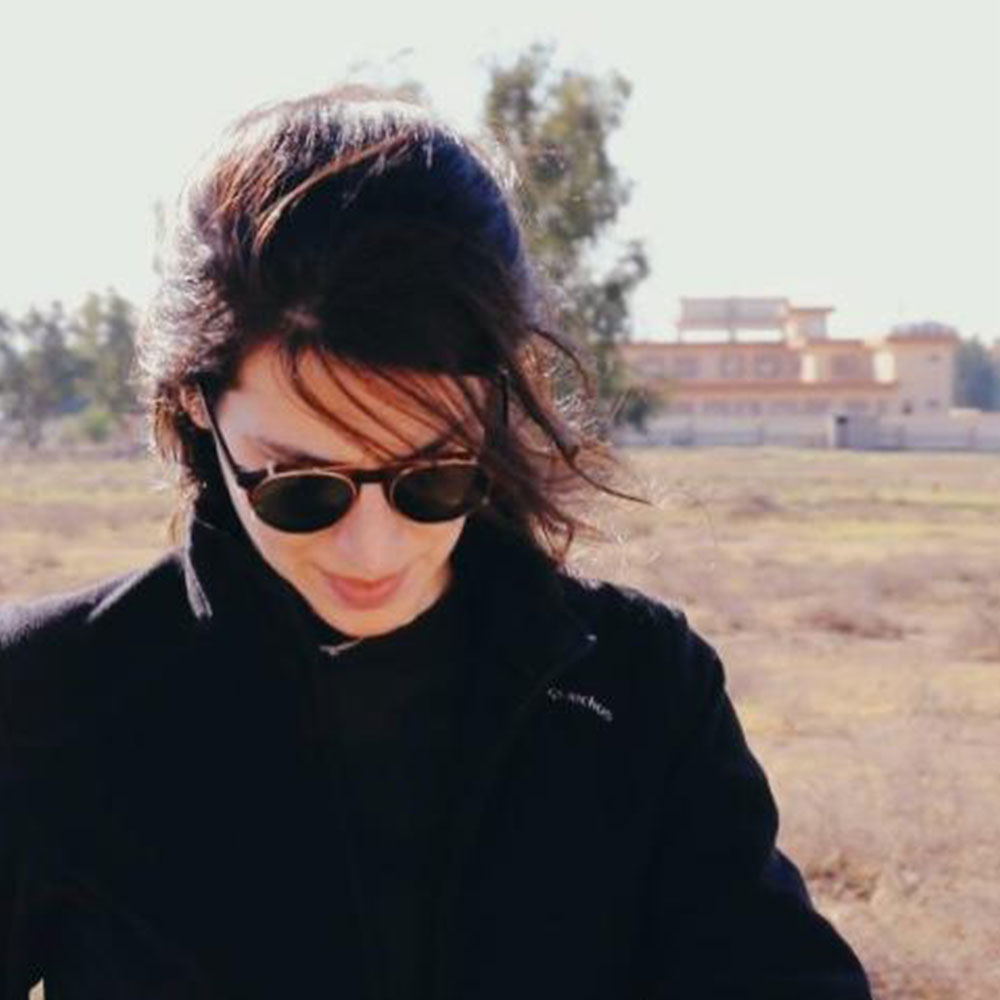
Is an Adjunct Professor and Research Fellow at the Department of Cultural Heritage at the University of Bologna. She serves as Deputy Director of MiSAK, the Italian Historical and Archaeological Mission in Kurdistan (ISMEO – Istituto di Cultura Kurda di Roma).
A specialist in Islamic archaeology, she has expertise in material culture studies and the application of archaeometric methods. With over ten years of fieldwork experience in the Kurdistan Region of Iraq, she has also contributed to archaeological missions in Iran and Kuwait.
Dr. Mancini has presented her research at numerous national and international conferences and has published on various aspects of Islamic archaeology, with particular focus on ceramic technologies and intercultural interactions.
She is also actively involved in outreach, public dissemination, and exhibition curation.
