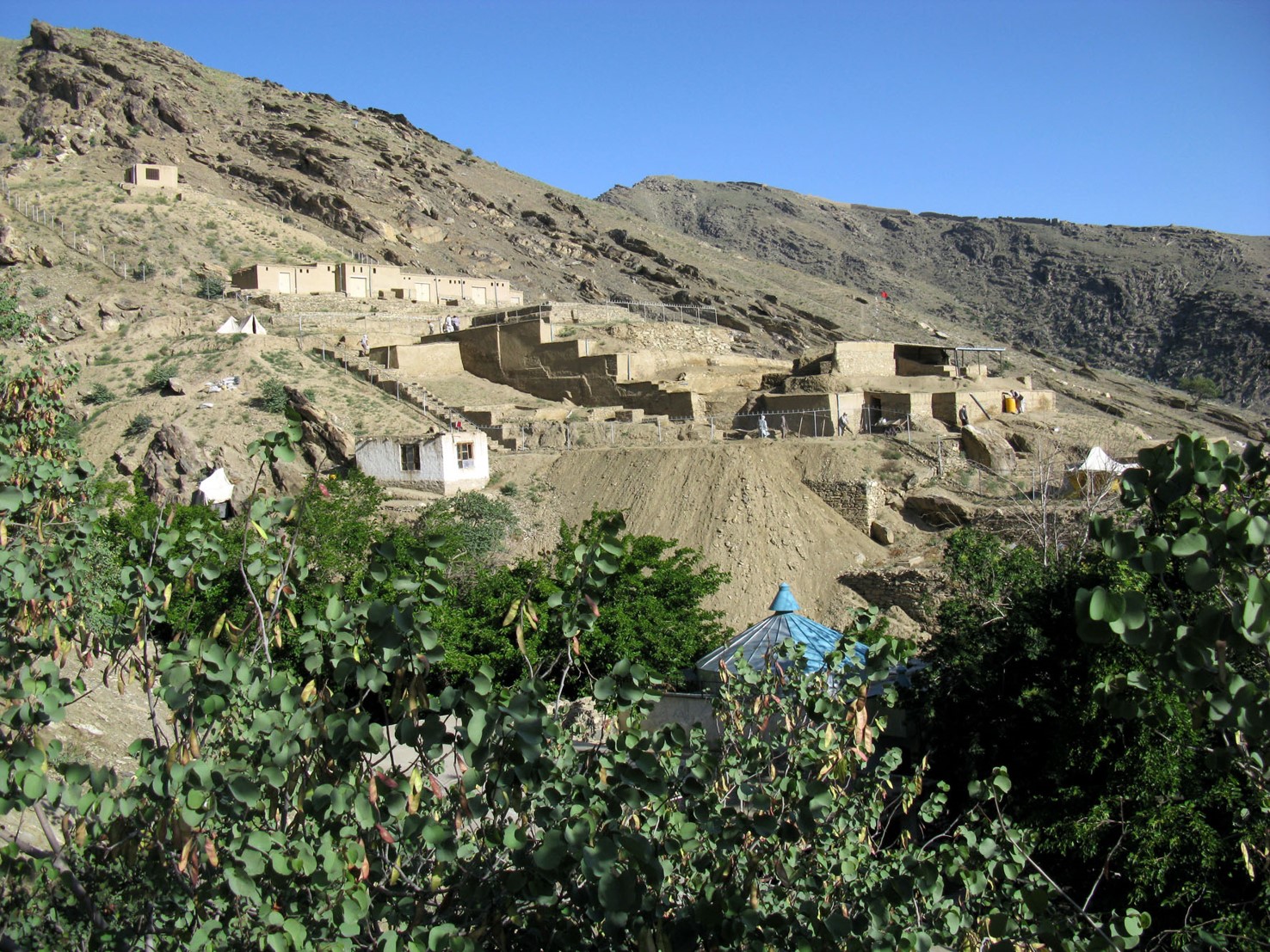
The Buddhist site of Tepe Narenj (4th/5th–8th/9th centuries CE) is located on a hill known today as Koh-e Zamburak, in the Kabul area of Afghanistan. It overlooks the ancient citadel of Bala Hisar, Lake Kol-e Hashmat Khan, and the routes leading towards the Jalalabad Valley.
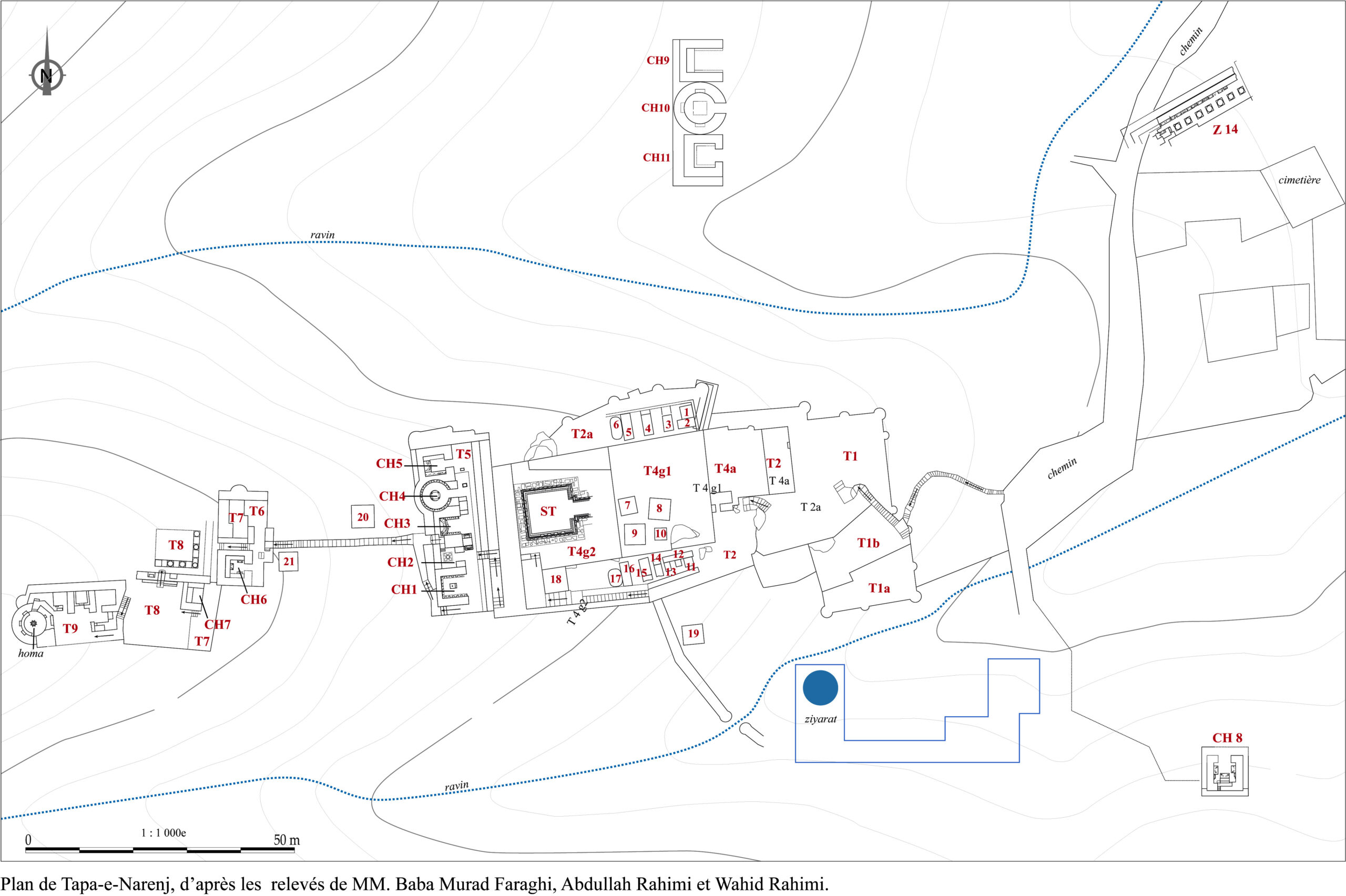
The large sacred complex is built on nine artificial terraces, which are adapted to the natural slope of the hill. These terraces are connected by a network of stairways and smaller terraces.
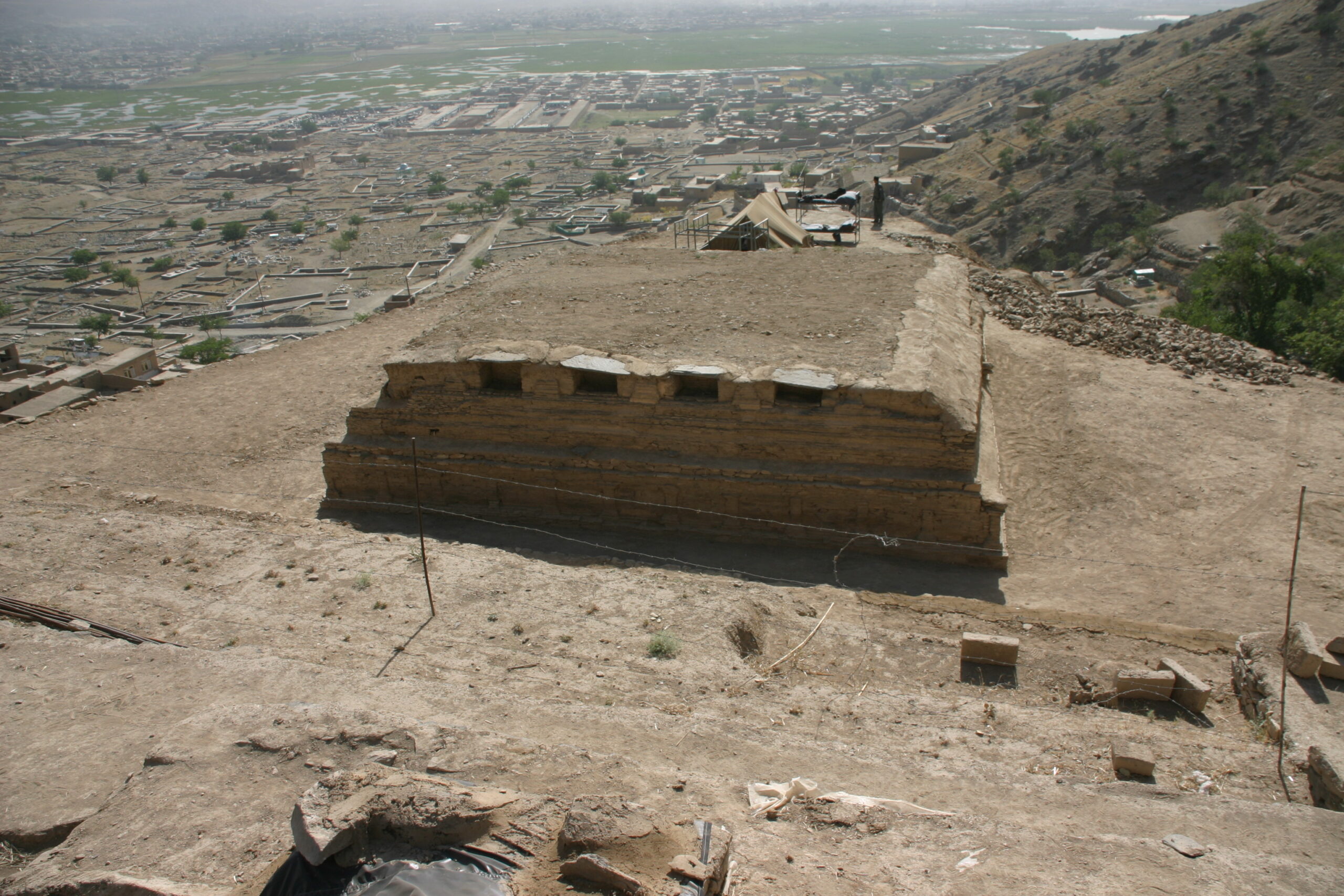
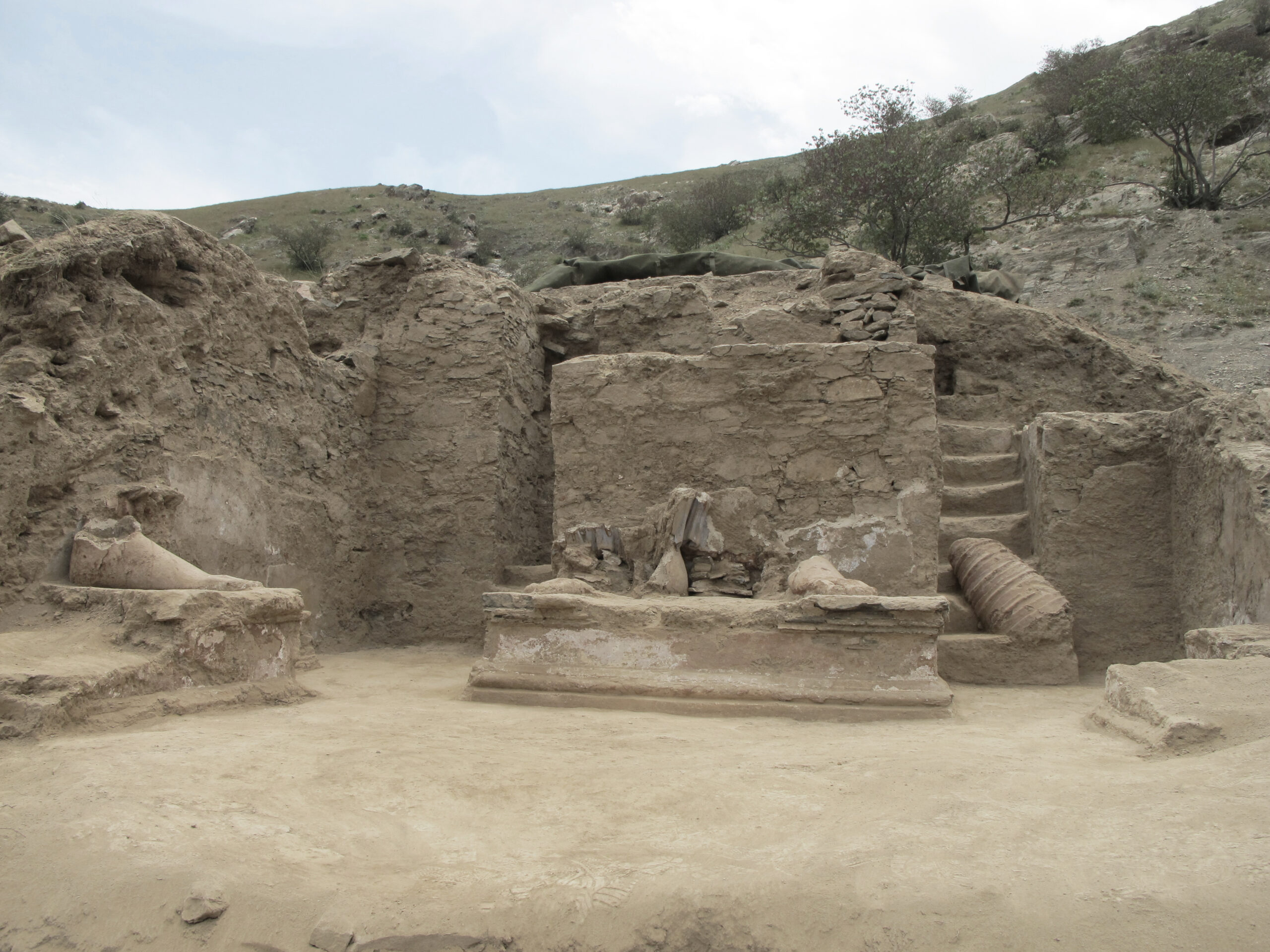
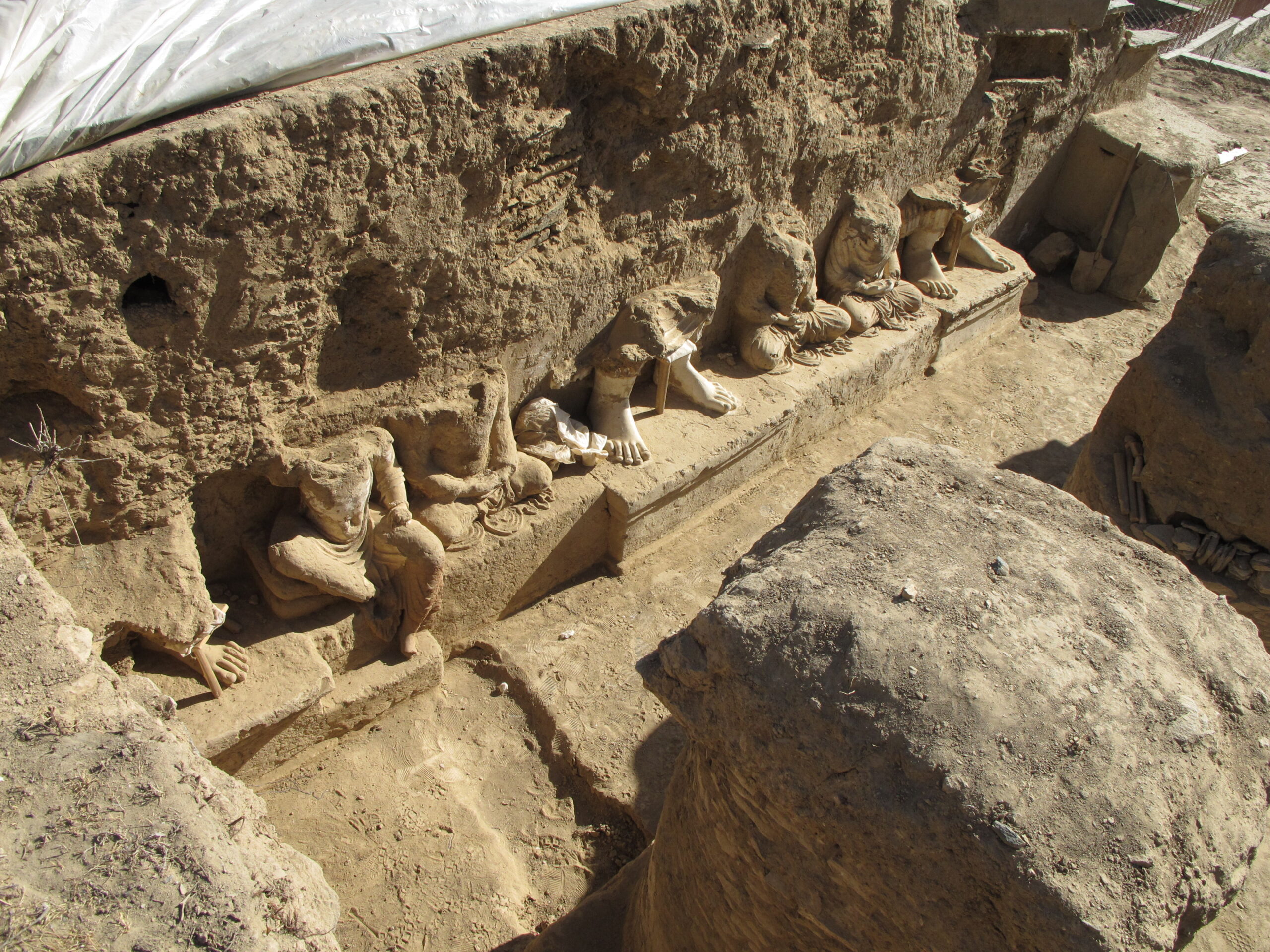
The complex is oriented eastward and has its focal point in the Main Stupa, on Terrace 4. Nearby, on Terrace 5, stood a series of cult chapels.
Additional chapels have been identified on the upper terraces (Chapels 6-8), on the northern slope (Chapels 9-11), and on the southern slope (Chapel 8). Together with the porticoed area discovered at the foot of the hill (Zone 14), these provide clear indication to the considerable size of the sacred complex. However, the complete layout of the site remains unknown since part of it was obliterated by modern buildings and an Islamic cemetery.
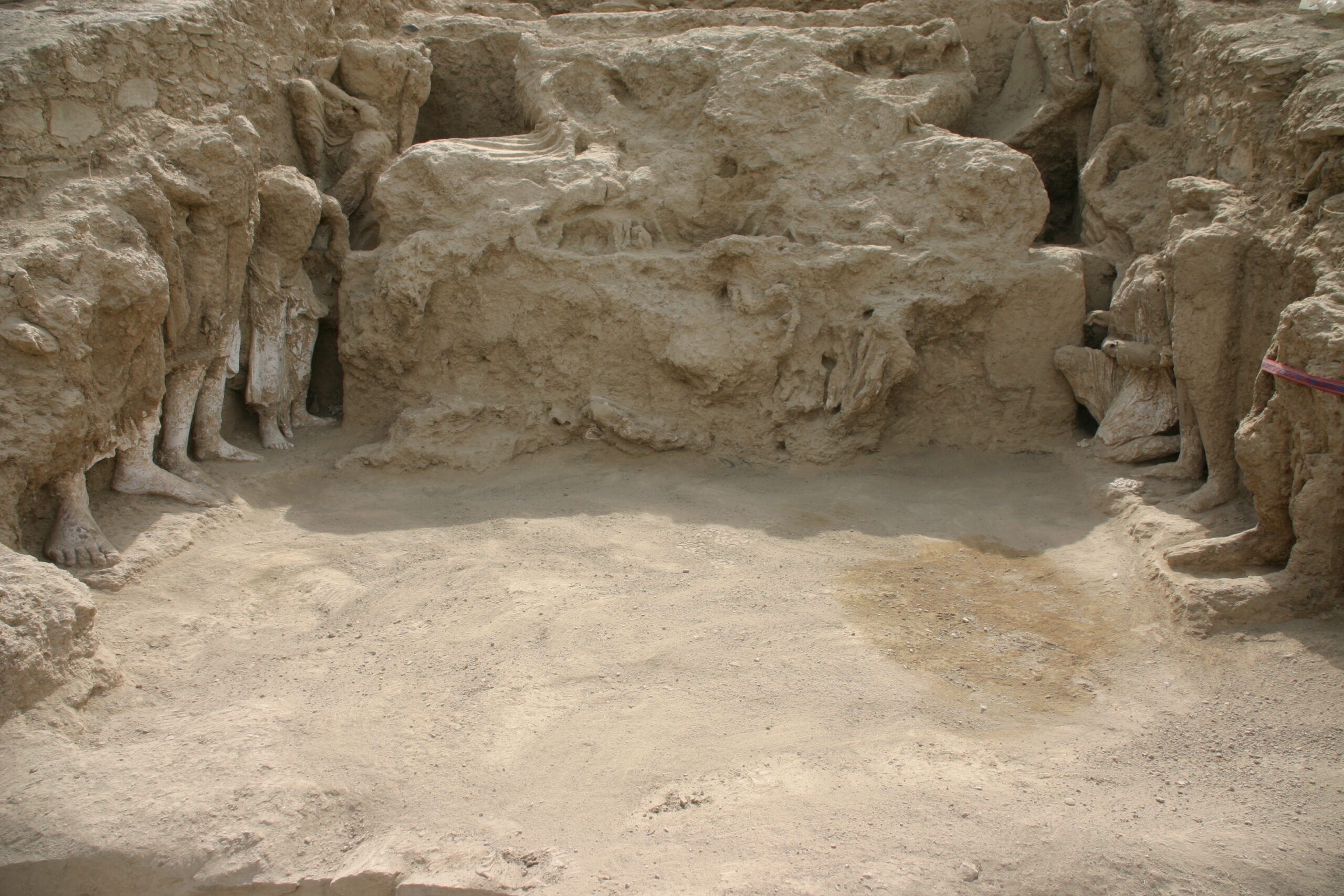
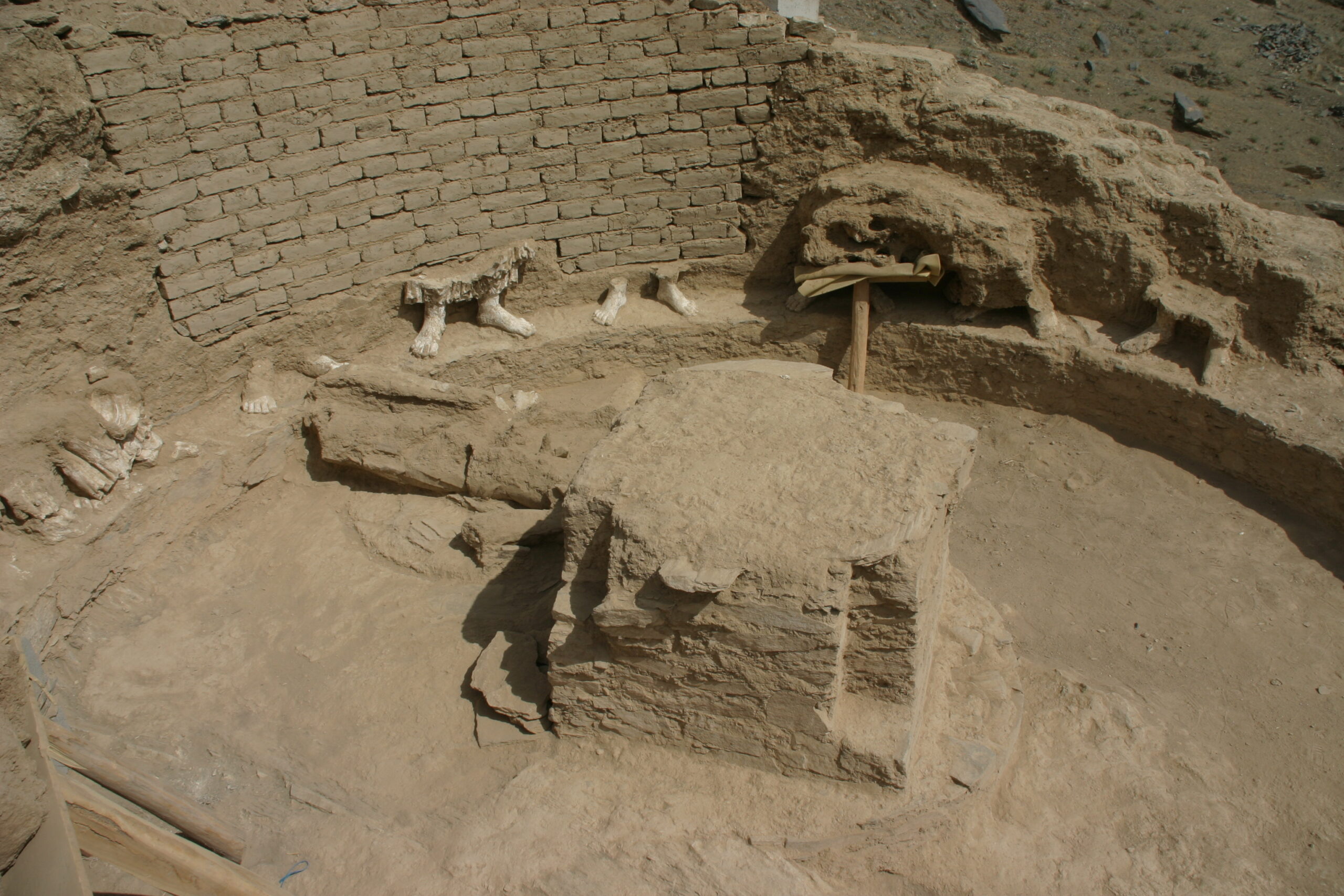
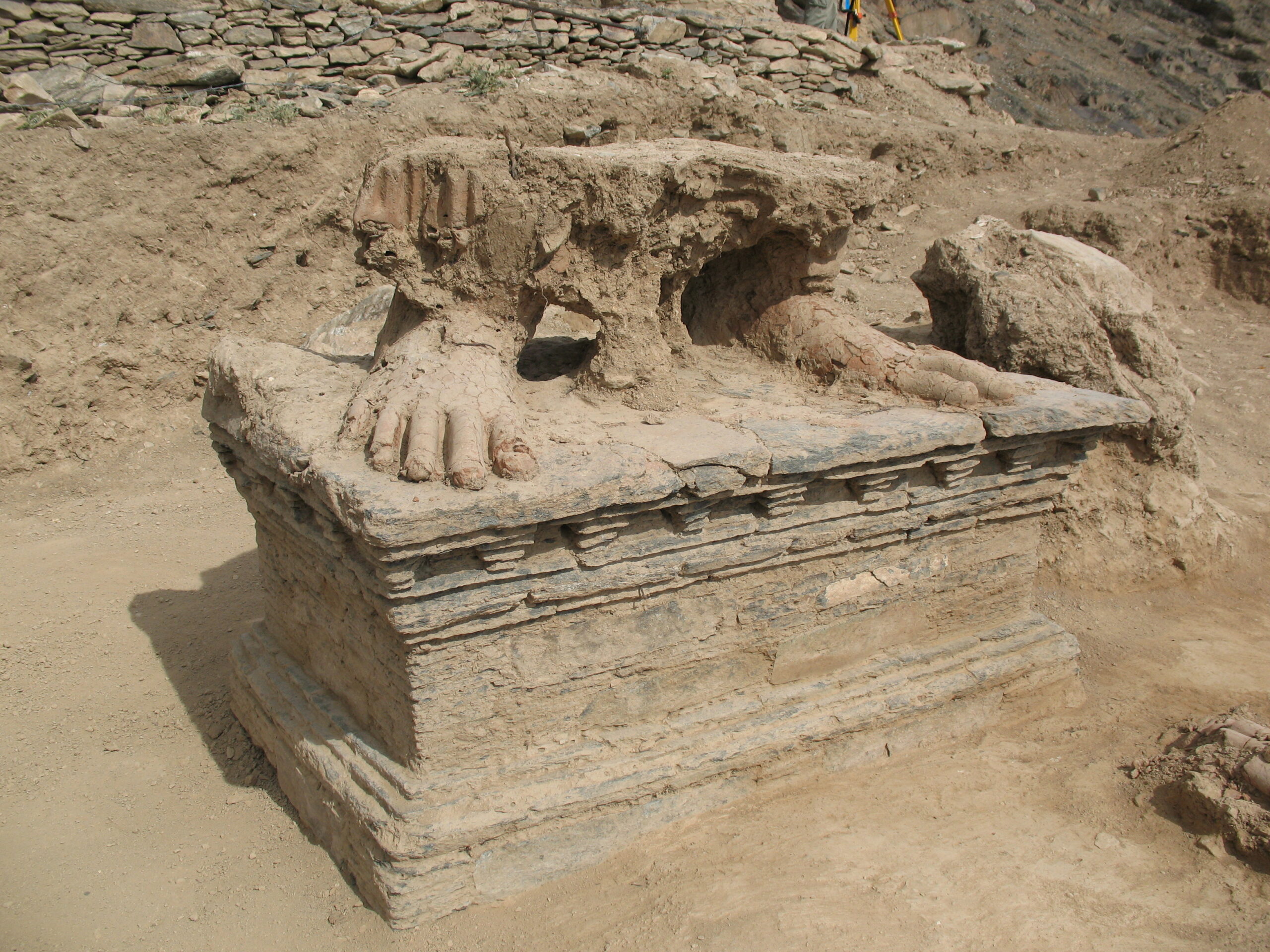
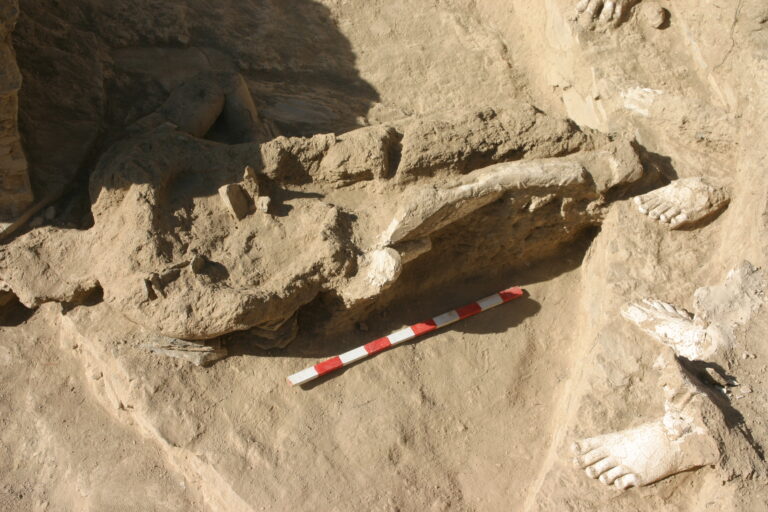
The cult areas housed extensive decorative programmes in polychrome unbaked clay, including freestanding and wall-attached sculptures ranging from slightly smaller than life-size to colossal dimensions. These figures were arranged around the sacred spaces to accompany the main cult image, which was placed either against the wall opposite the entrance or in the centre of the chapel to allow circumambulation.
The site underwent several phases of renovation and expansion. Existing terraces and chapels were repeatedly modified, and new structures were added over time.
A Nezak coin was found in a cavity intentionally cut into the base of the principal cult image in Chapel 3. Since the cavity represents a later intervention, the coin provides a terminus post quem of 484 CE for this refurbishment, indicating that both the chapel and its principal cult image were already in existence before the late fifth century.
Later interventions, probably dating to the late seventh or early eighth century CE, are characterised by the use of red clay for both the restoration of earlier sculptures and the creation of large-scale new big ones. These later phases are particularly evident in Zone 14 and in Chapels 6–8.
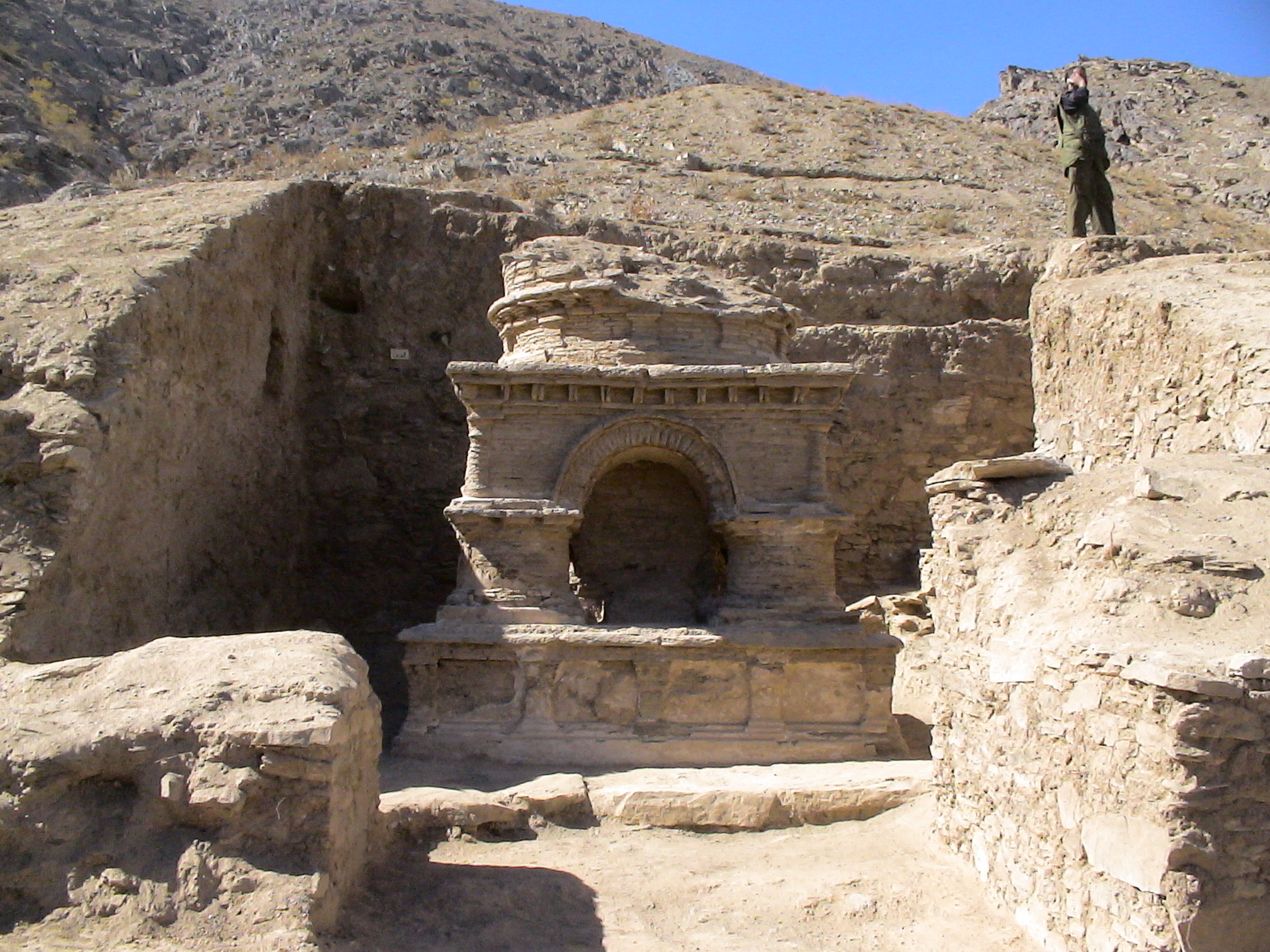
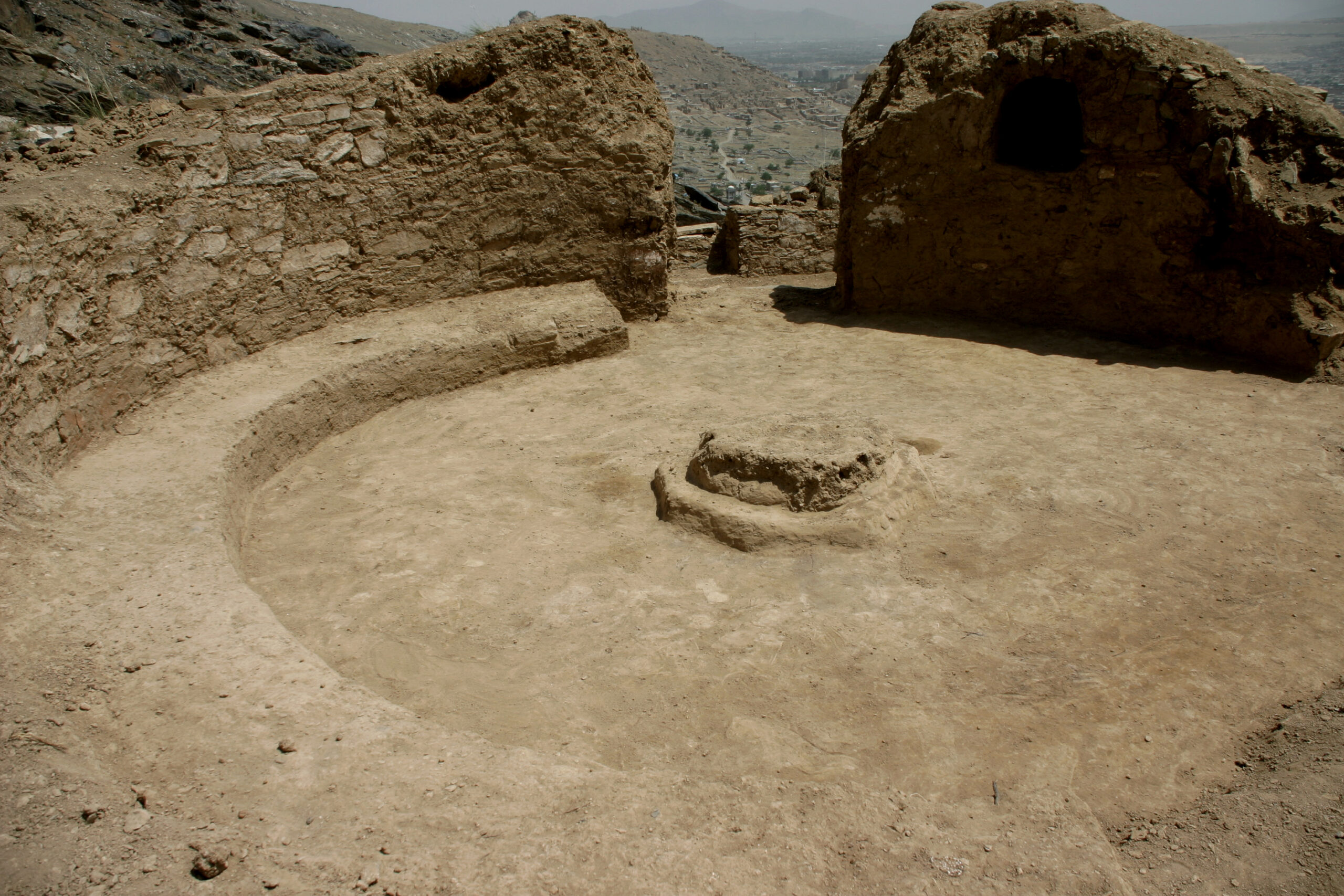
Tepe Narenj also preserves remarkable architectural features, including a minor stupa of a unique type and several circular-plan structures. Notable among these are Chapel 4, which may represent an early prototype of a three-dimensional mandala, and another circular room devoid of sculptural decoration, characterised by the presence of a fire altar in the centre and a low, continuous bench running along the base of the perimeter wall, which may have served as seating. This room was probably used for ritual fire practices reserved for the monastic community. Evidence of this kind has so far few parallels, which makes it all the more important.